Your Ultimate Guide to Renting a Dumpster: Everything You Need to Know
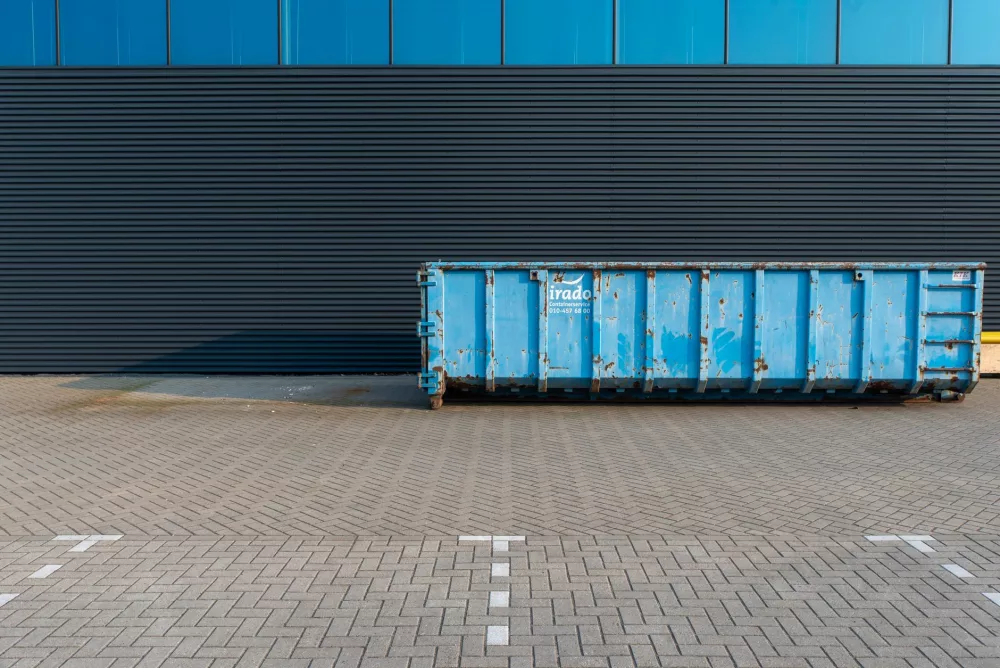
So, You're Thinking About Renting a Dumpster? Let's Talk!
Hey there! I get it. You've got a project on your hands, and suddenly, the sheer volume of stuff you need to get rid of hits you. Whether it's a home renovation that's kicking up more dust and debris than you ever imagined, a massive spring cleaning effort, or maybe you're helping a loved one with an estate cleanout, a regular curbside trash can just isn't gonna cut it. That's where renting a dumpster comes into play, and trust me, it can be a total lifesaver. But if you've never done it before, the whole process might seem a bit daunting. Don't sweat it! I'm here to walk you through everything I've learned, from picking the right size to understanding the nitty-gritty of what you can and can't toss inside. Let's make this easy, alright?
Why Renting a Dumpster Makes So Much Sense
Honestly, when I first started tackling bigger projects around my place, I'd try to cram everything into my regular trash bins or make countless trips to the local dump. It was exhausting, time-consuming, and frankly, a bit dangerous trying to haul some of that stuff. Renting a dumpster changed the game for me. Here's why it's usually the best call:
- Efficiency is Key: Imagine having one central spot for all your junk. No more tripping over debris piles, no more separate trips to the landfill. You fill it up, they take it away. Simple.
- Safety First: Piles of construction debris, old furniture, or yard waste can be a hazard. A dumpster keeps things contained, reducing the risk of accidents.
- Cost-Effective for Big Jobs: While there's an upfront cost, compare it to gas money for multiple dump trips, potential wear and tear on your vehicle, and your precious time. For larger projects, it often works out cheaper.
- Eco-Friendly Disposal: Reputable dumpster companies often sort and recycle materials, ensuring your waste is disposed of responsibly. That's a big win for our planet!
- Peace of Mind: Knowing your waste management is handled means you can focus on the actual project. What a relief!
Choosing the Right Dumpster Size: It's Not One-Size-Fits-All
This is probably one of the most common questions people have, and for good reason. Picking too small a dumpster means you might need a second one (and pay for it!), while too big a dumpster is wasted money. From my experience, here's a rough guide:
10-Yard Dumpsters
- What it looks like: Usually around 12 ft long, 8 ft wide, and 3.5 ft high.
- Good for: Smaller projects like a garage cleanout, a single room declutter, tearing out a small bathroom, or a good old spring cleaning session. Think about 3-4 pickup truck loads of debris.
20-Yard Dumpsters
- What it looks like: Typically 22 ft long, 8 ft wide, and 4 ft high.
- Good for: Medium-sized renovations, a larger attic or basement cleanout, roofing projects (up to 3,000 sq ft of single-layer shingles), or bigger landscaping jobs. This one can hold about 6-8 pickup truck loads. This is often my go-to for many home projects.
30-Yard Dumpsters
- What it looks like: Around 22 ft long, 8 ft wide, and 6 ft high.
- Good for: Major home additions, new home construction, large-scale cleanouts, or commercial renovation projects. You're looking at roughly 9-12 pickup truck loads here.
40-Yard Dumpsters
- What it looks like: Usually 22 ft long, 8 ft wide, and 8 ft high.
- Good for: The biggest jobs out there. Think commercial building cleanouts, large construction sites, or a complete home demolition. This bad boy can handle 12-16 pickup truck loads of material.
My personal tip: When in doubt, go one size up. It's usually cheaper than renting two smaller dumpsters!
Navigating the Dumpster Rental Process: My Step-by-Step Guide
Renting a dumpster doesn't have to be a headache. Here's how I typically approach it:
1. Figure Out Your Needs
Before you even call anyone, assess your project. What kind of material are you tossing? How much of it is there? Where will the dumpster be placed? Knowing these details will help you communicate effectively with rental companies.
2. Get Quotes (Don't Be Shy!)
I always recommend calling at least 2-3 local dumpster rental companies. Prices can vary quite a bit based on location, dumpster size, rental period, and what you're putting in it. Don't just go for the cheapest option, though. Ask about their reputation, delivery/pickup times, and any hidden fees.
3. Understand the Rules & Regulations
This is a big one! I learned this the hard way. Will the dumpster be on your private property or on a public street? If it's on a public street, you'll likely need a permit from your city or county. Your rental company might be able to advise, but it's ultimately your responsibility to check local regulations. Also, ask about weight limits – going over can incur hefty charges.
4. Schedule Delivery and Placement
Once you've chosen a company, schedule your delivery. Be specific about where you want the dumpster placed. Make sure there's clear access for the truck, both for delivery and pickup. I always make sure there are no cars, bikes, or other obstacles in the way. If you're concerned about your driveway, ask about placing plywood down beforehand to protect the surface.
5. Fill 'Er Up! (The Right Way)
When you're loading the dumpster, try to distribute the weight evenly. Don't pile everything in one corner. Also, be mindful of the fill line – never overfill the dumpster past its top edge. This is a safety hazard and the company won't pick it up if it's overfilled.
6. Schedule Pickup
Once you're done, or your rental period is nearing its end, contact the company to schedule the pickup. I usually do this a day or two before the agreed-upon date to ensure everything runs smoothly.
What Can (and Can't) Go in That Dumpster?
This is crucial, folks. Not everything is fair game for a dumpster. Here's a general breakdown, but always confirm with your specific rental company, as rules can vary:
Generally Accepted Items:
- Construction and Demolition Debris: Wood, drywall, flooring, bricks, concrete, roofing shingles.
- Household Junk: Furniture (sofas, chairs, tables), old toys, clothing, general clutter.
- Yard Waste: Branches, leaves, grass clippings (though some companies have restrictions or require separate dumpsters for this).
- Appliances (Non-Freon): Washers, dryers, ovens (check local regulations; some might have specific disposal requirements).
Items Often Prohibited (Hazardous Materials are a BIG NO):
- Hazardous Waste: Paint, motor oil, chemicals, pesticides, solvents, asbestos, lead-acid batteries.
- Tires: These often require special disposal dueences.
- Electronics (E-Waste): TVs, computers, monitors, printers – many states have specific e-waste recycling laws.
- Refrigerants: Anything with Freon, like refrigerators, freezers, and AC units, needs to be handled separately due to the hazardous chemicals.
- Food Waste: Most dumpster companies don't allow food waste due to odor and pest issues.
- Medical Waste: Syringes, biohazards, etc., are strictly prohibited.
Always, always, always ask your rental provider for a comprehensive list of prohibited items. Breaking these rules can lead to significant fines for you.
Understanding the Costs: What Am I Paying For?
The price of a dumpster rental isn't just a flat fee; several factors play into it:
- Dumpster Size: As we discussed, bigger dumpsters cost more.
- Rental Period: Standard rentals are usually 7-10 days, but you can often extend it for an extra daily fee.
- Type of Debris: Some materials (like heavy construction debris or concrete) might be charged differently due to their weight and disposal costs. Sometimes there are specific 'clean load' dumpsters for just dirt or just concrete.
- Location: Disposal fees vary by region and landfill costs, which impacts your overall price.
- Weight Limit: Every dumpster size comes with a weight allowance. Exceeding this limit will result in additional overage charges, which can add up quickly. This is why distributing weight evenly is helpful.
- Permit Fees: If you need a street permit, that's an additional cost.
When getting quotes, ask for a breakdown of these costs so there are no surprises!
My Final Thoughts & Tips for a Smooth Rental
Renting a dumpster doesn't have to be intimidating. With a little planning and understanding of the process, it can make your big project so much easier. Here are a few last tips I've picked up:
- Plan Ahead: Don't wait until the last minute to book, especially during peak seasons like spring and summer.
- Communicate Clearly: Be upfront with the rental company about your project and what you're tossing. They're there to help!
- Access, Access, Access: Ensure the delivery and pickup spots are clear of obstacles.
- Safety First: Wear gloves and appropriate footwear when loading. Watch out for sharp objects.
- Check Your Surroundings: Before pickup, do a quick check around the dumpster for any stray items you wanted to get rid of.
I hope this comprehensive guide takes some of the mystery out of renting a dumpster for you. It's truly a valuable service that can save you time, effort, and stress. Happy decluttering or renovating!
About Editorial Team
Senior columnist and culture critic specializing in architectural designs, emerging high-growth systems, and contemporary philosophies.
Contact Desk
Have an editorial inquiry or custom partnership idea? Reach our team directly.