The IBM PCjr: A Look Back at IBM's Home Computer Experiment
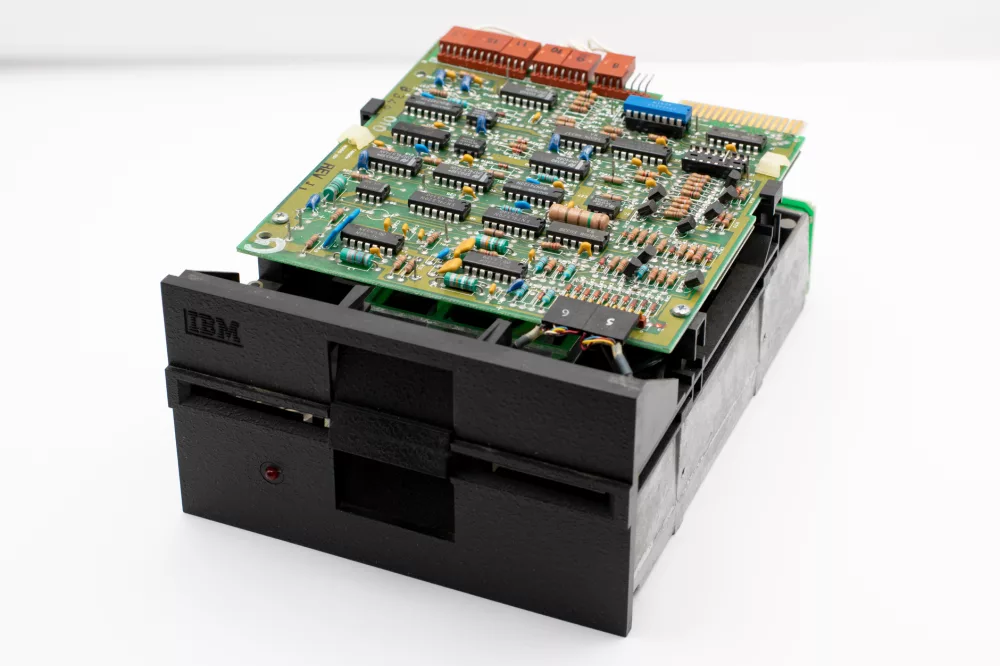
The IBM PCjr: A Look Back at IBM's Foray into the Home Market
Oh, the IBM PCjr! When I think about some of the most fascinating missteps and bold attempts in computing history, this little machine absolutely springs to mind. It's not just a computer; it's a cautionary tale, a technical curiosity, and frankly, a bit of a cult classic for some folks today. Back in the early 1980s, IBM, the undisputed king of business computing, decided it wanted a slice of the burgeoning home computer market. What they produced was something that, for all its potential, ultimately stumbled hard. Let's really dig into what made the PCjr such a unique, and ultimately flawed, chapter in the Big Blue story.
Entering a Wild West: The Home Computer Landscape of the Early '80s
You've got to understand the climate IBM was stepping into. The home computer market of 1983 was a vibrant, chaotic battleground. Commodore was selling millions of Commodore 64s, Apple had the ubiquitous Apple IIe, and Atari was still a major player. These machines offered color graphics, sound, and a growing library of games and educational software, often at prices that were quite accessible to the average family. IBM, with its serious, business-like reputation, saw an opportunity, or maybe felt a need, to diversify. They wanted to create a home version of their incredibly successful IBM PC, but one that was more affordable and family-friendly. It sounded like a great idea on paper, didn't it?
Introducing 'Peanut': IBM's Grand Home Vision
Code-named 'Peanut' during development, the PCjr (officially the IBM PCjr Personal Computer) was finally unveiled in late 1983. It was meant to be a more compact, less expensive alternative to the original IBM PC, targeting educational use, basic productivity, and, of course, gaming. On the surface, it had some genuinely exciting features for its time. Internally, it ran on an Intel 8088 processor, just like the original PC, and came with 64KB of RAM, expandable to 128KB – which, for many home users, was more than enough back then. It even featured two cartridge slots, anticipating a future where software could be instantly loaded without fiddling with floppy disks. But it wasn't these promising aspects that defined its fate; it was a few critical design choices that really sunk the ship.
- Enhanced Graphics: The PCjr offered a 16-color graphics mode at 320x200 resolution, a significant improvement over the standard PC's CGA, which was usually limited to 4 colors in that resolution. This made games look much more vibrant!
- Superior Sound: It boasted a three-voice sound chip (the SN76496), producing much richer audio than the single-voice PC speaker. This was a huge deal for games and educational software.
- Compact Design: A smaller footprint than its older sibling.
- Infrared Keyboard: An innovative, cordless keyboard, a pretty futuristic concept for '83.
The Elephant in the Room: That Keyboard
Okay, let's just get to it. If there's one single factor that people remember most vividly about the PCjr's failure, it's that infamous
About Editorial Team
Senior columnist and culture critic specializing in architectural designs, emerging high-growth systems, and contemporary philosophies.
Contact Desk
Have an editorial inquiry or custom partnership idea? Reach our team directly.